Material Matters
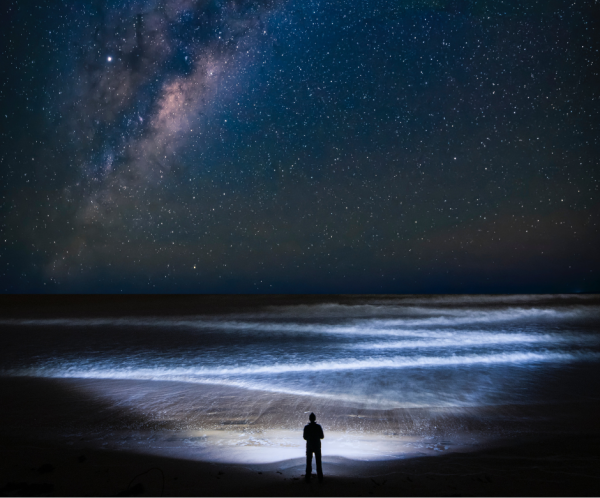
The God who comes on Christmas morning created unfathomable amounts of stuff that scientists help us to see and appreciate. This is an unexpected way we can prepare for Christmas—to delight in all that God created.

The God who comes on Christmas morning created unfathomable amounts of stuff that scientists help us to see and appreciate. This is an unexpected way we can prepare for Christmas—to delight in all that God created.
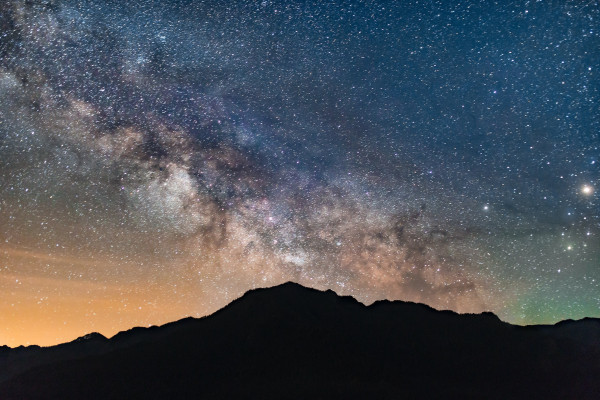
With roots dating back to the 16th century, the Vatican Observatory has participated in astronomical research for several centuries as they seek to advance the scientific understanding of our universe. Beyond their scientific research, the Observatory is a leader in public outreach.
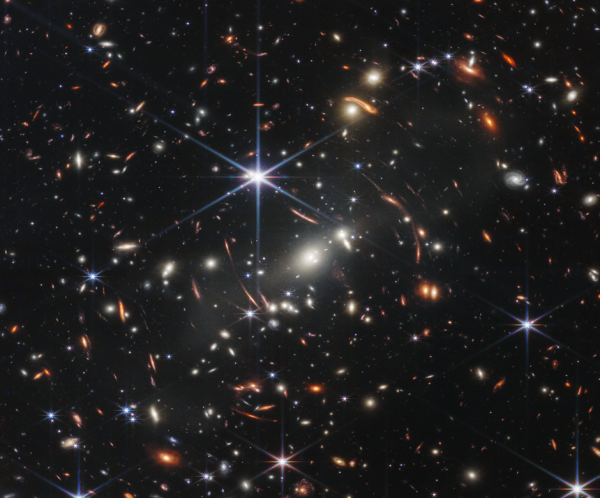
What does the deep field image released earlier this year (above) from the James Webb telescope have to do with God’s promise to Abram? I suspect the knowledge it reveals would have expanded Abram’s understanding of God’s pledge. It certainly enhances mine. I find it nearly impossible to fathom a promise of such magnitude.
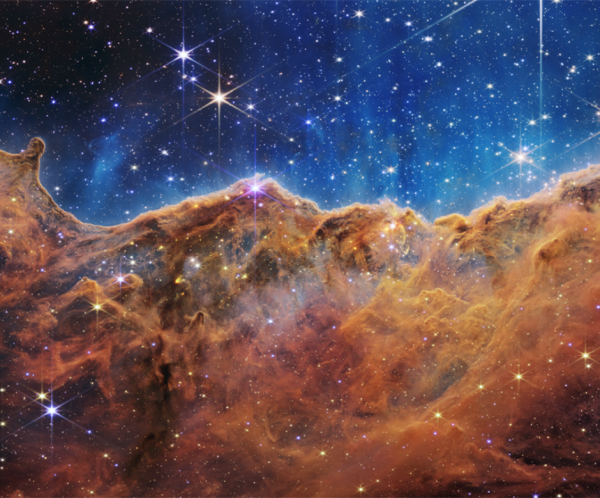
From ancient times, we have peered into the skies seeking to understand the magnitude of God’s handiwork… This quest has led theologians and scientists alike to peer into the skies for clues to help them build and support cosmogonic theories. So, following this great tradition of scientific and theological inquiry, the James Webb space telescope images provide us with the latest window into God’s creative impetus.
That same passion to integrate science and faith was kindled in me during a course I took with Bob over twenty-five years ago during the first semester of my Ph.D. program… Bob captured my attention and provided me new intellectual panoramas with his description of special relativity’s time dilation and what it meant for Christian faith. I’d never heard anything like that before.
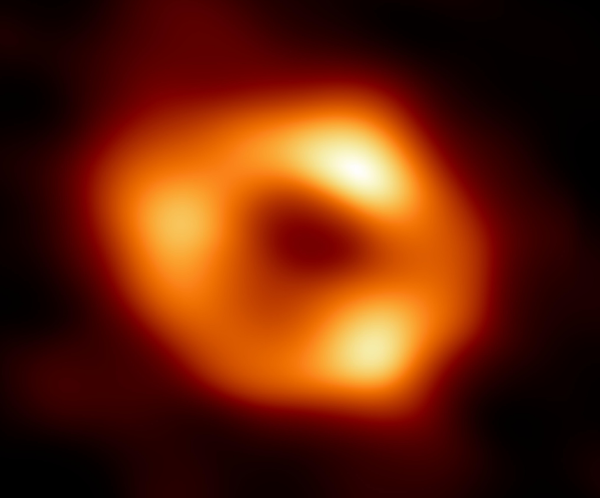
My first-grade daughter came home all excited recently: “Daddy, they took a picture of a black hole at the center of the universe. Do you want to see it?” Her enthusiasm proclaimed wisdom