The Enfleshed God: A Cosmic and Theological Discussion

This kénōsis is the ultimate expression of God’s redemptive love, for “in Christ, God was reconciling the cosmos to himself”

This kénōsis is the ultimate expression of God’s redemptive love, for “in Christ, God was reconciling the cosmos to himself”

God’s love transforming every believer should propel them to practice works of love for their brothers and sisters. In other words, caring for those in need calls for an attitude of humility, genuine benevolence, and gratitude towards the Creator. Since God’s love is actualized in Christ Jesus, we should establish a Christian presence that incarnates his love through tangible actions.

Barth’s “dialectical” method involved a “No” with a “Yes” when he addressed any particular topic or theological doctrine. It is particularly evident in his approach to modern science.

Because creation is not our property, we show love, devotion, respect, and obedience to the Creator by becoming good stewards of his creation.

Any plausible Christian response to the question of human uniqueness must, of course, account for Genesis 1:26: “Let us make humankind in our image, according to our likeness.” The opening chapter of the Bible is clear: God created us, and there is something like God in us.
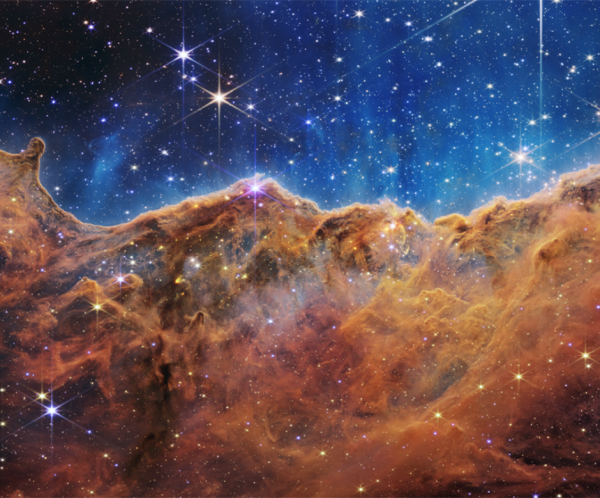
From ancient times, we have peered into the skies seeking to understand the magnitude of God’s handiwork… This quest has led theologians and scientists alike to peer into the skies for clues to help them build and support cosmogonic theories. So, following this great tradition of scientific and theological inquiry, the James Webb space telescope images provide us with the latest window into God’s creative impetus.